
Human tissues constantly respond to strain, motion, and daily pressure. Microscopic repair quietly works beneath normal physical activity. Benefits often become clearer while Trying egenerative therapies for persistent tissue concerns. These approaches encourage tissues to restore strength without heavy intervention.
Natural Restoration Pathways Within Living Tissue
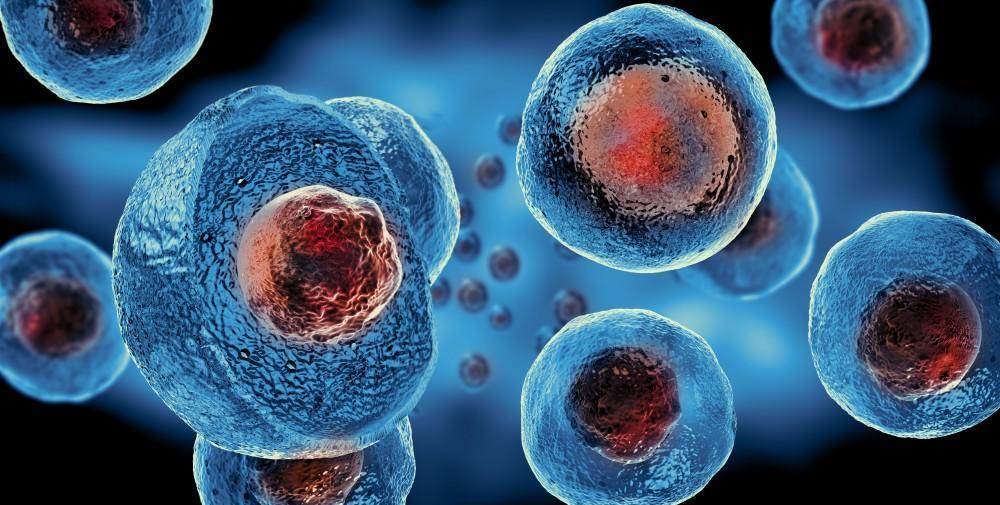
Cells communicate continuously while maintaining internal structural stability. Tiny biochemical signals guide rebuilding efforts after minor disruptions. Supportive therapies encourage these natural rebuilding interactions to continue effectively. Gradual improvement occurs as microscopic repair activity steadily increases.
Biological Signals Encouraging Gradual Repair Activity
Repair mechanisms respond strongly when surrounding signals remain balanced. Supportive techniques focus on encouraging favorable internal conditions. Gentle stimulation promotes coordinated cellular participation throughout damaged regions.
- Encourages communication between neighboring tissue structures
- Supports gradual rebuilding of weakened cellular surfaces
- Helps maintain organized recovery within damaged areas
- Promotes balanced interaction across nearby repair zones
Over time, rebuilding progresses without overwhelming natural recovery capacity. Gradual improvement appears through strengthened tissue cooperation and stability.

How Regenerative Methods Support Internal Recovery?
Interest often grows after conventional recovery attempts feel slow. Individuals seek methods encouraging the body’s own repair participation. Regenerative strategies focus on biological encouragement rather than external replacement. Many people notice subtle structural strengthening developing over several weeks.
Steady biological response gradually reinforces weakened tissue sections. That gradual shift helps restore structural stability within affected areas.
Supportive Biological Environments Encouraging Repair
Repair activity strengthens when surrounding biological environments remain stable. Consistent cellular interaction supports cooperative rebuilding across nearby tissue. The potential benefits of Trying egenerative therapies include encouraging tissues to restore strength gradually.
- Encourages cooperative repair between surrounding cellular groups
- Supports organized rebuilding of delicate tissue frameworks
- Maintains stability across recovering structural pathways
- Reinforces communication among recovering microscopic regions
Such supportive environments encourage tissues to rebuild gradually. Progress develops steadily as cells regain coordinated structural function.
Why recovery progress sometimes feels surprisingly gradual?
Repair processes operate through extremely small biological changes. Each stage builds quietly upon earlier cellular adjustments. Gradual progress prevents sudden strain across recovering structures. Patience often allows biological rebuilding to reach stronger stability.
Individuals frequently notice small improvements before larger changes appear. These subtle shifts signal active repair working beneath the surface.
How individuals typically experience regenerative support?
Early experiences often involve minimal immediate sensation or discomfort. Over time, gradual structural improvement becomes easier to notice. Strengthened tissue response may support movement or flexibility improvements. Individuals frequently appreciate steady recovery without aggressive intervention.
Observation helps track subtle improvements during recovery weeks. Patience remains important as biological repair steadily progresses.
Long Term Structural Stability Through Cellular Cooperation
Tissues function best when microscopic cooperation remains uninterrupted. Balanced cellular activity strengthens structural reliability across delicate areas. Gradual recovery encourages improved resilience within previously weakened regions. Stable rebuilding helps tissues manage everyday physical demands confidently.