

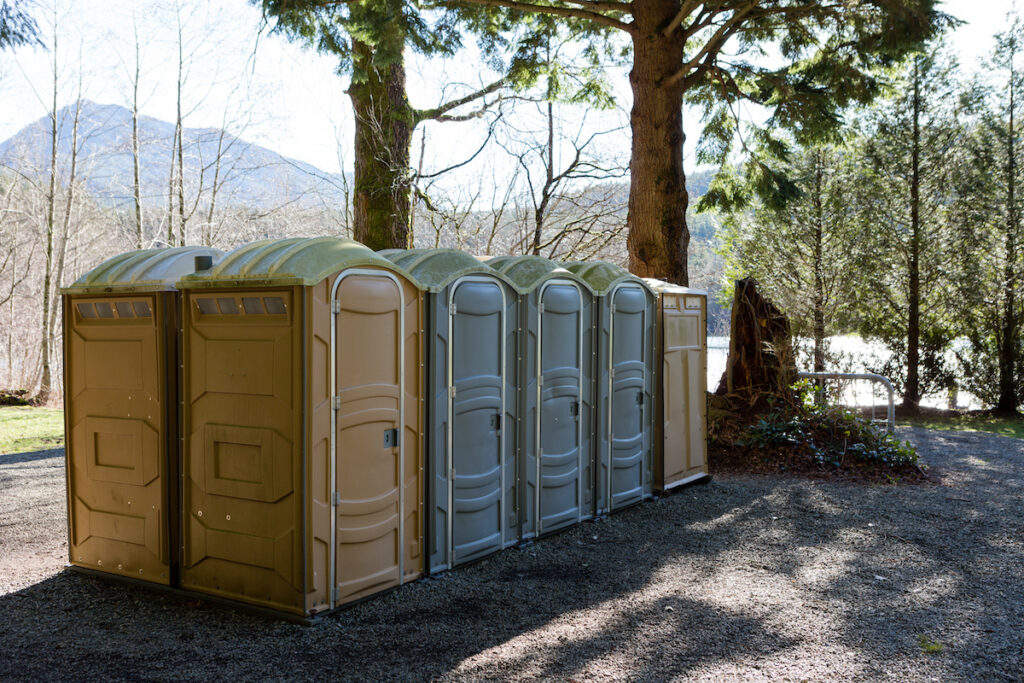
Clean wastewater handling supports smooth work under changing site conditions. Temporary storage systems help maintain proper sanitation during active operations. Careful planning prevents unnecessary delays throughout daily schedules. Many managers visit site before confirming suitable equipment for the expected usage. Proper preparation keeps every stage organized through reliable collection arrangements.
How Does Proper Waste Planning Improve Operations?
Good planning reduces avoidable interruptions during changes to work schedules. Suitable storage keeps surrounding areas cleaner throughout every working period. Regular collection supports steady progress while reducing unnecessary sanitation concerns.
Simple preparation also protects nearby spaces from unwanted overflow. Clear service planning creates better coordination between scheduled removal visits. Reliable storage remains useful until permanent drainage becomes available.
Flexible Storage Matches Changing Site Needs
Changing workloads require storage options that adjust without creating unnecessary operational pressure. Suitable capacity supports daily activities while reducing avoidable collection concerns.
Extra planning before installation improves service reliability throughout different project stages. Proper placement also protects nearby working areas from sanitation problems.
Regular Collection Maintains Better Working Conditions
Scheduled removal prevents storage from reaching unnecessary capacity during active operations. Timely servicing also supports cleaner surroundings while improving daily wastewater management.
Routine inspections reduce maintenance concerns before they become larger problems. Many supervisors visit site during planning because location conditions influence the suitability of storage selection.

Regular planning improves equipment performance throughout changing work demands. Consistent service also supports cleaner surroundings every working day.
Which Points Support Better Rental Selection Today?
Careful comparison helps choose suitable storage before work begins. Clear planning improves sanitation while reducing unnecessary operating concerns.
- Select storage matching the expected daily wastewater volume throughout planned operations carefully.
- Confirm collection schedules before work begins for smoother daily management activities.
- Inspect equipment condition before installation to prevent avoidable maintenance concerns later.
- Verify that the placement area remains level throughout the planned operating period.
- Review service availability during changing workloads before confirming rental arrangements completely.
Additional preparation supports organized wastewater management during every scheduled activity. Better planning reduces unexpected service interruptions due to changing project requirements.
Helpful Answers for Common Questions
Clear information supports better decisions before temporary wastewater storage becomes necessary. Practical answers reduce confusion while improving daily planning.
- What determines a suitable storage size? Expected wastewater volume guides proper capacity selection carefully.
- How often should collection occur? Regular schedules prevent overflow during active operations consistently.
- Does the equipment require frequent inspection? Routine checks maintain dependable performance throughout planned activities.
Consistent Planning Delivers Reliable Results
Careful preparation supports organized wastewater handling across changing working conditions every day. Suitable storage combined with regular collection reduces unnecessary operational concerns effectively. Practical planning improves sanitation while protecting surrounding areas during ongoing activities. Reliable service creates steady progress without unnecessary interruptions across every scheduled stage. Consistent execution always delivers stronger results than rushed decisions without proper preparation.