
Unexpected property disruption can interrupt business operations and weaken interior structures over time. When water damage affects commercial interiors, concealed damp sections may allow fungal growth to spread quietly. Careful follow-up actions after extraction protect structural strength and indoor stability. Organized planning combined with consistent oversight lowers long-term risks. Preventive action becomes essential after restoration efforts, such as Commercial water removal Palm Beach Florida.
How Should Materials Be Evaluated
After the extraction work is completed, building components require careful review before reuse. Wall sections, floor layers, and insulation materials should be checked for retained water that may remain hidden. Early assessment prevents weakened surfaces from creating future structural concerns. Clear documentation of each finding supports steady recovery planning and responsible property management.

What Environmental Controls Are Needed
Maintaining balanced indoor conditions is vital once visible water has been removed. Regulated humidity supports a dry atmosphere that discourages unwanted growth. Air circulation systems should be adjusted to maintain steady airflow across enclosed spaces. Teams coordinating with Commercial water removal Palm Beach Florida, often align these adjustments with broader recovery plans.
Why Is Surface Care Important
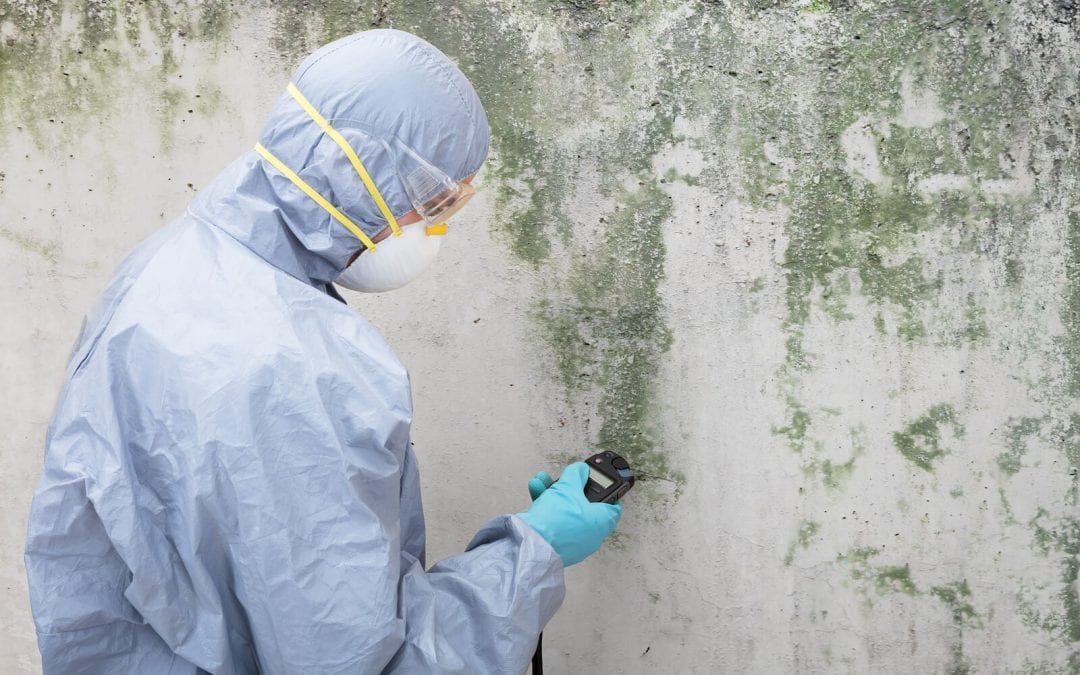
Surface attention plays a key role in limiting future issues after extraction procedures. Proper cleaning removes residue that may encourage fungal development. Porous materials exposed to water require close review to prevent hidden buildup.
- Clean affected walls thoroughly using approved safe solutions
- Remove soaked insulation to prevent hidden fungal spread
- Dry flooring layers completely before reinstalling coverings
- Discard weakened ceiling panels to protect structural stability
- Record cleaning steps clearly for consistent facility oversight
Structured planning safeguards property value and supports healthier working areas. Rather than waiting for visible warning signs, management teams should focus on careful evaluation, environmental balance, and responsible surface care. Consistent documentation and timely action reduce recurring growth concerns.
FAQs
How soon should evaluations begin after extraction?
Assessments should begin immediately once drying confirmation is completed.
Can hidden dampness create future structural issues?
Yes, concealed damp zones may weaken materials over time.
Why adjust airflow systems after extraction work?
Balanced airflow supports drying and discourages unwanted buildup.